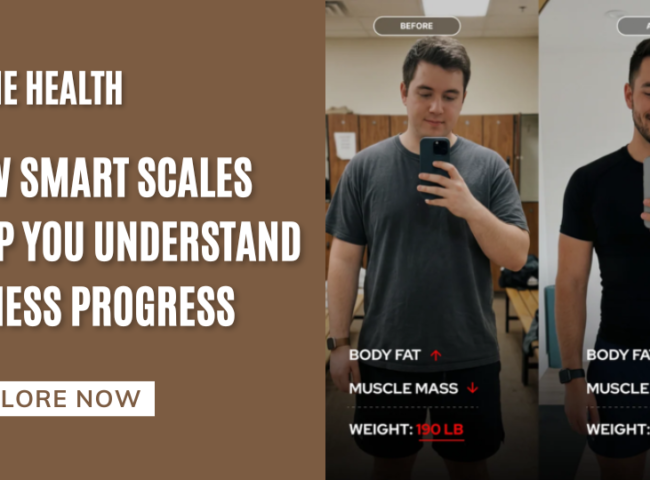
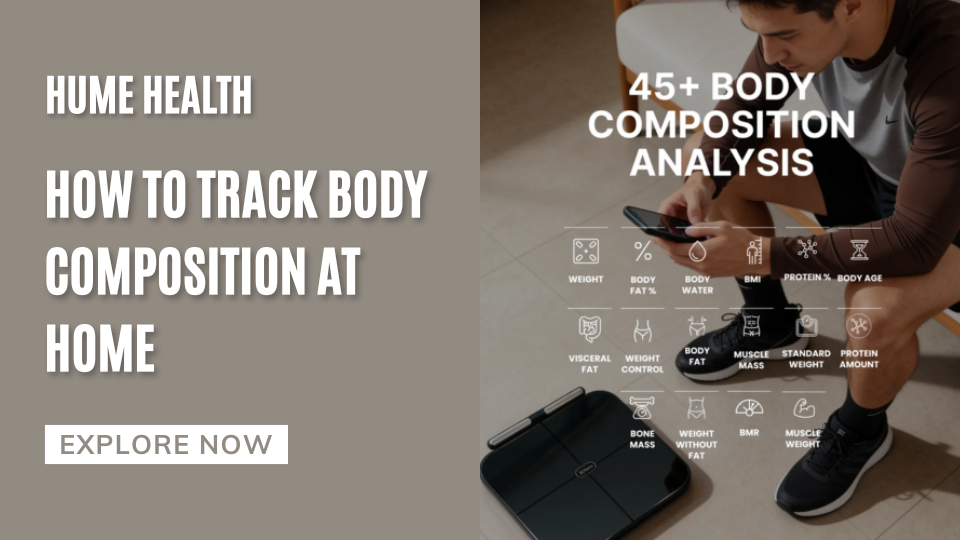
Tracking your fitness progress involves more than watching the number on a bathroom scale. Body weight can change for several reasons, including hydration, food intake, and normal daily fluctuations. That is why body composition tracking at home can provide additional context when you want to understand changes in your fitness routine. Measurements related to body fat, muscle mass, and other body metrics may help you follow longer-term trends, although no consumer device can explain every change in your body.
For people who prefer monitoring their progress at home, smart body composition devices offer a convenient way to collect measurements over time. Hume Health is one brand to consider when exploring connected body-monitoring technology. Understanding what these devices measure, how to interpret the results, and where their limitations lie can help you make more informed decisions about your health and fitness habits.
What Does Body Composition Tracking Actually Measure?
Body composition refers to the different components that make up your body. Instead of focusing exclusively on total weight, body composition devices estimate several measurements that can help you understand changes over time.
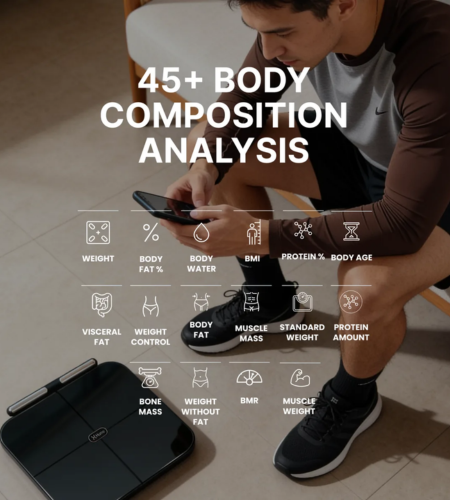
Common measurements include:
- Body fat percentage: The estimated proportion of your total body weight that comes from fat.
- Muscle mass: An estimate of muscle tissue that can help you monitor trends alongside your training routine.
- Body water: An estimate of the water present in your body, which can influence other readings.
- Visceral fat: An estimate associated with fat stored around internal abdominal organs.
- Metabolic indicators: Some devices provide estimated measurements such as basal metabolic rate or metabolic age.
These numbers should be interpreted together rather than individually. For example, your weight might remain relatively stable while your estimated muscle mass and body fat percentage change. However, consumer devices provide estimates, not direct measurements of every tissue or a medical diagnosis.
How to Get More Consistent Body Composition Readings
A tracking device becomes more useful when you measure under similar conditions. Everyday habits can affect body composition estimates, especially those calculated using bioelectrical impedance.
Use these practical guidelines to improve consistency:
1. Measure at a similar time. Morning measurements after using the bathroom and before breakfast can help reduce variation caused by food and fluid intake.
2. Follow the manufacturer’s instructions. Use the device on an appropriate, level surface and follow its guidance for hand placement, foot placement, and setup.
3. Keep hydration habits reasonably consistent. Dehydration and changes in fluid balance can affect readings, so avoid comparing measurements taken under very different conditions.
4. Look at weekly and monthly trends. A single result may fluctuate without indicating a meaningful change. Reviewing measurements across several weeks gives you more context.
5. Record your routine alongside your results. Exercise, sleep, nutrition, and recovery can all be relevant when reviewing your progress. Tracking habits may help you identify patterns without assuming that one measurement proves cause and effect.
Consistency matters more than repeatedly checking your numbers throughout the day.
What to Consider Before Choosing a Smart Body Composition Scale
Before investing in a connected body composition device, think about how you plan to use the information.
- Measurements: Check which metrics the specific model provides and whether they match your goals.
- App experience: Consider how results are displayed, whether trends are easy to review, and which features require additional payment.
- Connectivity: Confirm that the device supports your smartphone and any health platforms you want to connect.
- Cost: Compare the purchase price with the features you expect to use regularly.
- Privacy: Review the brand’s current privacy policy and understand how app data is collected, stored, and shared.
- Limitations: Remember that estimated body composition figures can vary between devices and measurement conditions.
Hume Health may suit people who want detailed at-home tracking, but a simpler scale may be sufficient if you only need to monitor body weight. The right choice depends on your budget, preferences, and willingness to use the additional information.
How Hume Health Fits Into At-Home Fitness Tracking
Hume Health offers connected health-monitoring products designed to help users follow body composition and other wellness metrics. Its Hume Pod is a relevant option for people who want more information than a conventional digital scale provides.
The Hume Pod uses sensors in its platform and handle to measure body composition. Results appear in the Hume Health app, helping users track changes over time.
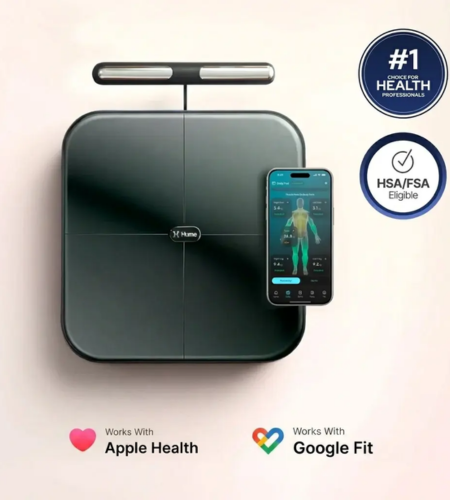
Depending on the device version and available app features, users can explore measurements related to body fat, muscle mass, body water, and other body composition indicators.
The main appeal is convenience. Instead of relying only on occasional measurements at a gym or fitness facility, you can establish a consistent home routine and review your progress in one place.
Still, the device should be viewed as a wellness-tracking tool. Its estimates are not interchangeable with clinical assessments, and its results should not be used to diagnose or treat health conditions.
Pros and Cons of At-Home Body Composition Tracking
Potential advantages
- Convenient access to measurements at home.
- More context than body weight alone.
- An app-based record of longer-term trends.
- Useful information to review alongside exercise and nutrition habits.
Potential limitations
- Measurements are estimates rather than definitive readings.
- Hydration and measurement conditions can affect results.
- Additional metrics may feel overwhelming without a clear goal.
- Connected features, device compatibility, and pricing can vary by product version.
A device is most useful when its information supports practical decisions rather than creating pressure to achieve a particular number.
Frequently Asked Questions
Is body composition tracking better than tracking weight alone?
It provides additional information, but it does not replace weight tracking entirely. Combining weight trends with estimated body composition can give a broader picture of progress.
How often should I check my body composition?
For general fitness tracking, a consistent weekly schedule may be enough to identify longer-term patterns. Follow the manufacturer’s instructions and avoid overinterpreting daily fluctuations.
Are smart body composition scales accurate?
Accuracy varies by device, measurement method, and individual circumstances. Bioelectrical impedance devices estimate body composition using electrical measurements and predictive equations. Their readings can differ from clinical reference methods.
Can body composition change without weight changing?
Yes. Changes in estimated fat mass, muscle mass, and body water can occur while total weight stays similar. However, device estimates should be interpreted cautiously and over time.
Does the Hume Health app require a subscription?
Hume Health advertises app access for tracking measurements, while certain additional coaching and nutrition features may require a paid plan. Check the current product and app terms before purchasing.
Is the Hume Pod a medical diagnostic device?
It is presented as a wellness and body composition tracking product, not a replacement for medical assessment. Consult a qualified healthcare professional if you have concerns about your health or need clinical measurements.
Claim Your Exclusive 20% Discount
Conclusion
Effective fitness tracking is about understanding patterns rather than chasing individual numbers. Body composition tracking at home can add useful context to changes in weight, muscle, and estimated body fat, especially when measurements are collected consistently and interpreted realistically.
Hume Health’s connected body composition technology may be worth considering if you want a more detailed view of your progress than a traditional scale offers. Compare the available features, app options, price, and measurement limitations before deciding. Explore Hume Health’s current product range to determine whether its tracking tools fit your routine and long-term wellness goals.