Have you ever walked into your living room and thought, “How did I end up owning all this stuff?” You‘re not alone. In a world that constantly tells us to buy more, a quiet revolution is happening. People everywhere are trading clutter for calm, excess for essentials, and chaos for clarity. This is the rise of minimalist living —and it’s transforming not just our homes, but our entire approach to life.
Minimalist living isn’t about empty white rooms or getting rid of everything you own. It’s about intentional living—keeping only what adds value to your life and letting go of the rest. Whether you’re drawn to it for mental peace, financial freedom, or environmental reasons, minimalism offers a refreshing alternative to the constant pressure to accumulate. Let’s explore why this movement is growing so fast and how you can create beautiful, clutter-free spaces in your own home.
What Exactly Is Minimalist Living?
At its core, minimalist living is a lifestyle philosophy that encourages you to live simply and intentionally. It’s about quality over quantity, finding happiness in simplicity rather than material abundance. This doesn’t mean you have to own nothing—it means you own things that truly matter.
Minimalism can take many forms. Some people embrace active minimalism by consciously reducing their possessions. Others lean toward financial minimalism to save money, environmental minimalism to reduce their footprint, or aesthetic minimalism (also called “quiet luxury”)—buying fewer items but choosing high-quality, durable pieces. Whatever your motivation, the result is the same: a life with less clutter and more meaning.
Why Is Minimalist Living Gaining Popularity?
The rise of minimalist living isn‘t just a passing fad—it’s a response to the world we live in today. Here‘s why more and more people are making the shift:
🌍 Economic and Environmental Pressures
With slow income growth, rising living costs, and expensive housing, many young people are finding it harder to achieve the “dream of having everything” that previous generations pursued. At the same time, sustainability has become a priority. Studies show that minimalists tend to have lower carbon emissions, and maintaining low, consistent consumption can significantly reduce personal environmental impact.
🧠 Mental Health and Stress Reduction
Our modern lives are overloaded with information, objects, and tasks—all of which contribute to chronic stress. Research shows that clutter can overwhelm our cognitive capacity, reducing our ability to focus and making us feel mentally fatigued. A clutter-free living space removes distractions, promotes relaxation, and reduces stress. When your surroundings are calmer, your mind often follows.
📱 Social Media and Cultural Shifts
Platforms like Instagram and YouTube have popularised the concept of minimal homes and mindful living. Influencers now advocate for decluttering challenges, capsule wardrobes, and conscious shopping. Millennials and Gen Z, in particular, are prioritising experiences over possessions—valuing travel, wellness, and sustainability more than luxury items or large homes.
📊 The Numbers Don‘t Lie
The statistics are compelling. A survey in Australia found that 15.5% of adults identify as living a minimalist lifestyle, and the majority are considering adopting it. In the US, estimates range from 11% to 26% depending on the study. According to global research, 76% of people say they prefer to buy only what they really need. And 61% of respondents report spending less money simply by buying only what they truly need. This isn‘t a niche movement anymore—it’s a mainstream shift.
The Benefits of Minimalist Living
Why are so many people embracing minimalist living? The benefits go far beyond a tidy home.
🏠 A Calmer, More Beautiful Home
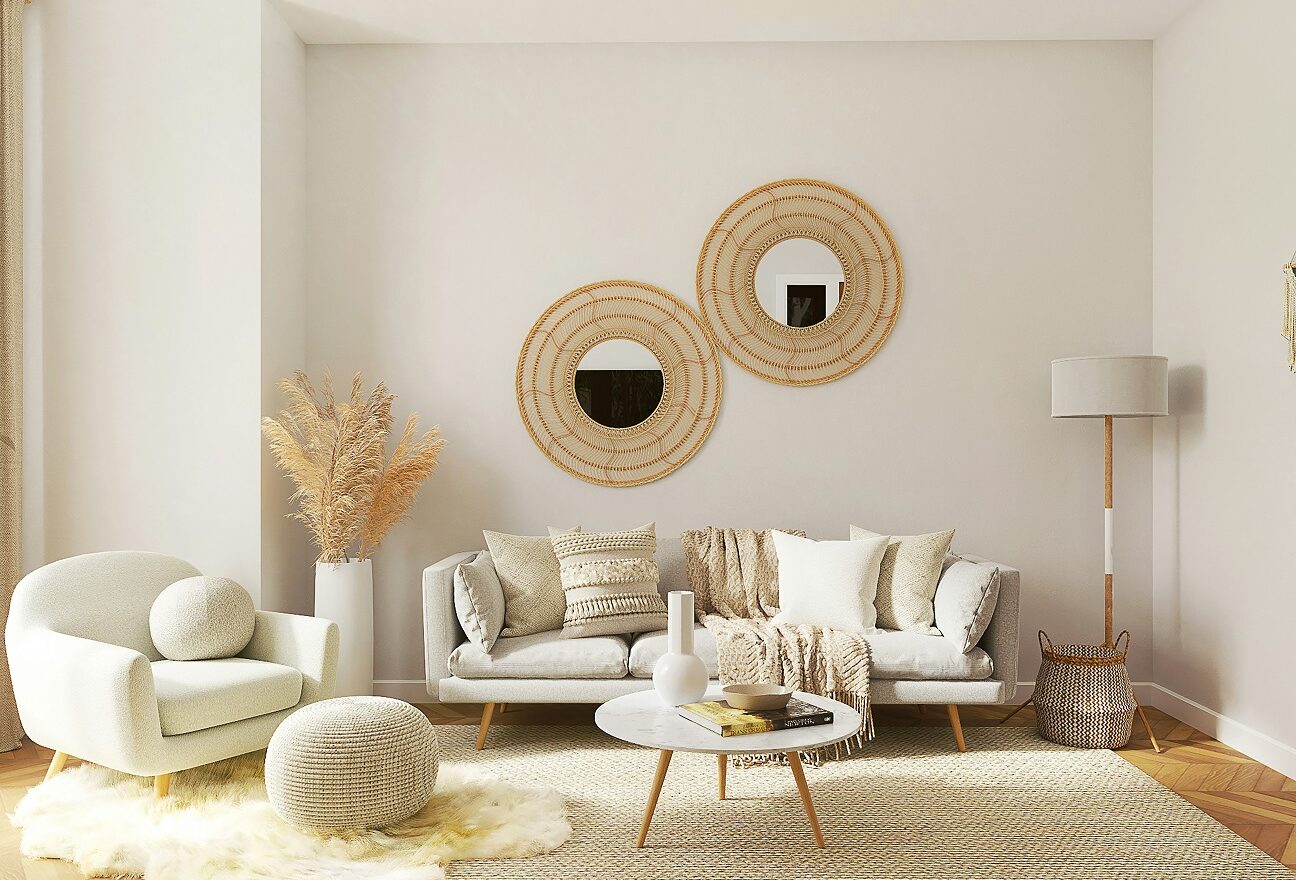
When you reduce clutter, your space opens up. Clean lines, functional furniture, and a pared-back colour palette create a sense of calm and simplicity. Minimalist design isn‘t about being cold or empty—it’s about letting each piece breathe. As interior designers note, less clutter allows each item to have its moment. The result is a home that feels peaceful, spacious, and effortlessly stylish.
🧘 Reduced Stress and Better Mental Health
When you declutter your living space, you declutter your mind. Reducing physical and mental clutter removes distractions that drain your time and energy, creating a calm environment that promotes relaxation. People with uncluttered homes enjoy lower stress, better moods, and less procrastination. Even better, research suggests that minimalism enhances flourishing while alleviating depression.
💰 Financial Freedom
One of the most immediate rewards of minimalist living? Your wallet says thank you. By buying only what you truly need and choosing quality over quantity, you spend less and save more. For 35% of people, becoming minimalist means they can travel or move more easily. Less stuff means less to pack, store, or maintain—and that translates to real freedom.
🌱 A Smaller Environmental Footprint
Minimalism aligns naturally with eco-conscious living. Buying less reduces waste, and choosing durable, high-quality items means you replace things less often. As one study found, minimalism is negatively associated with ecological footprint—meaning minimalists tend to have a lighter impact on the planet.
🎯 More Focus and Productivity
With fewer distractions, you can concentrate better and get more done. A clutter-free environment reduces visual noise and helps you focus on what truly matters—whether that’s work, relationships, or personal growth.
How to Embrace Minimalist Living: Practical Tips
Ready to experience the benefits of minimalist living for yourself? Here’s how to start—without feeling overwhelmed.
1. Start Small
Don‘t try to declutter your entire home in one weekend. Start with one drawer, one shelf, or one corner. Getting rid of one thing each day is a manageable way to build momentum without feeling overwhelmed.
2. Use the “Keep, Donate, Trash” Method
Get three boxes and label them: Keep, Donate, and Trash. Go through your belongings and sort them into these categories. Be honest with yourself—if you haven’t used it in a year, it’s probably time to let it go.
3. Apply the “One In, One Out” Rule
Every time you bring something new into your home, remove something you no longer need. This simple rule prevents clutter from creeping back in.
4. Focus on Quality, Not Quantity
Invest in fewer but better items that will last. Choose well-crafted, unfussy pieces that serve a purpose and enhance your space without dominating it.
5. Choose a Simple Colour Palette
Neutral colours like white, beige, soft greys, and muted earth tones create a calming foundation. These shades open up spaces, reflect light, and contribute to an airy, uncluttered feel.
6. Maximise Natural Light
Let as much natural light as possible flow through your rooms. Opt for sheer or light-filtering curtains rather than heavy drapes. Natural light makes any space feel bigger, brighter, and more inviting.
7. Create Smart Storage
Clutter is the enemy of minimalism, so invest in clever storage solutions. Built-in shelving, multi-purpose furniture, and hidden storage can keep your space tidy while maintaining a clean aesthetic.
Minimalist Living in 2026: What‘s New?
The minimalist movement is evolving. In 2026, we’re seeing a shift from hard-edged minimalism toward warmer, more personal spaces. Designers are embracing “Cozy Minimalism” —a trend that combines simplicity with warmth, creating harmonious interiors that highlight character through carefully chosen details. It‘s not about cold restraint anymore; it’s about a warm balance between function and aesthetic.
Another emerging trend is neo-minimalism—an elegant middle ground that avoids extreme minimalism or maximalism. This approach focuses on intentionality: each piece of furniture, colour, and lighting is meaningfully curated to stand out yet feel functional. The result is a space that’s clean and polished, yet still feels lived-in.
Even colour is making a comeback in minimalist spaces. The trend of minimalism in 2026 isn‘t afraid of adding colour—it’s about using hues that complement the clean ambience of a room.
Final Thoughts
The rise of minimalist living represents a profound shift in how we think about our homes, our possessions, and our lives. It‘s not about deprivation—it’s about liberation. It‘s about creating space for what truly matters: relationships, experiences, peace of mind, and a home that feels like a sanctuary rather than a storage unit.
Whether you’re ready to declutter your entire home or just want to start with a single drawer, every small step counts. Minimalism isn‘t a destination—it’s a journey toward a simpler, more intentional, and more beautiful life. And the best part? You get to define what that looks like for you.
So, are you ready to embrace minimalist living? Start small, stay intentional, and watch how beautiful your space—and your life—can become. ✨
Frequently Asked Questions
1. What is minimalist living, exactly?
Minimalist living is a lifestyle philosophy that encourages intentionality—keeping only what adds value to your life and letting go of excess possessions, distractions, and commitments. It‘s about quality over quantity and finding happiness in simplicity rather than material abundance.
2. Does minimalist living mean I have to get rid of everything I own?
Not at all! Minimalism isn’t about owning nothing—it‘s about owning things that truly matter. The goal is to reduce clutter and keep items that serve a purpose or bring you joy. You get to decide what’s essential for your life.
3. What are the main benefits of minimalist living?
The benefits include reduced stress and better mental health, financial savings, a calmer and more beautiful home, a smaller environmental footprint, and improved focus and productivity. Many people also report feeling more freedom and greater life satisfaction.
4. How do I start living a minimalist lifestyle?
Start small! Begin with one drawer, one shelf, or one corner of a room. Use the “keep, donate, trash” method to sort your belongings, and apply the “one in, one out” rule to prevent clutter from returning. Focus on quality over quantity and take it one step at a time.
5. Is minimalist living expensive?
Actually, it can save you money. By buying only what you truly need and choosing quality items that last, you spend less overall. Minimalism encourages mindful spending, which reduces impulsive purchases and financial stress.
6. Can I still have a personality in my home if I embrace minimalism?
Absolutely! Minimalism isn‘t about having a boring, cookie-cutter home. In fact, the 2026 trend of “Cozy Minimalism” emphasises adding character through carefully chosen details—like a single piece of art, a textured throw, or a sculptural vase. It’s about curating, not eliminating, personality.