
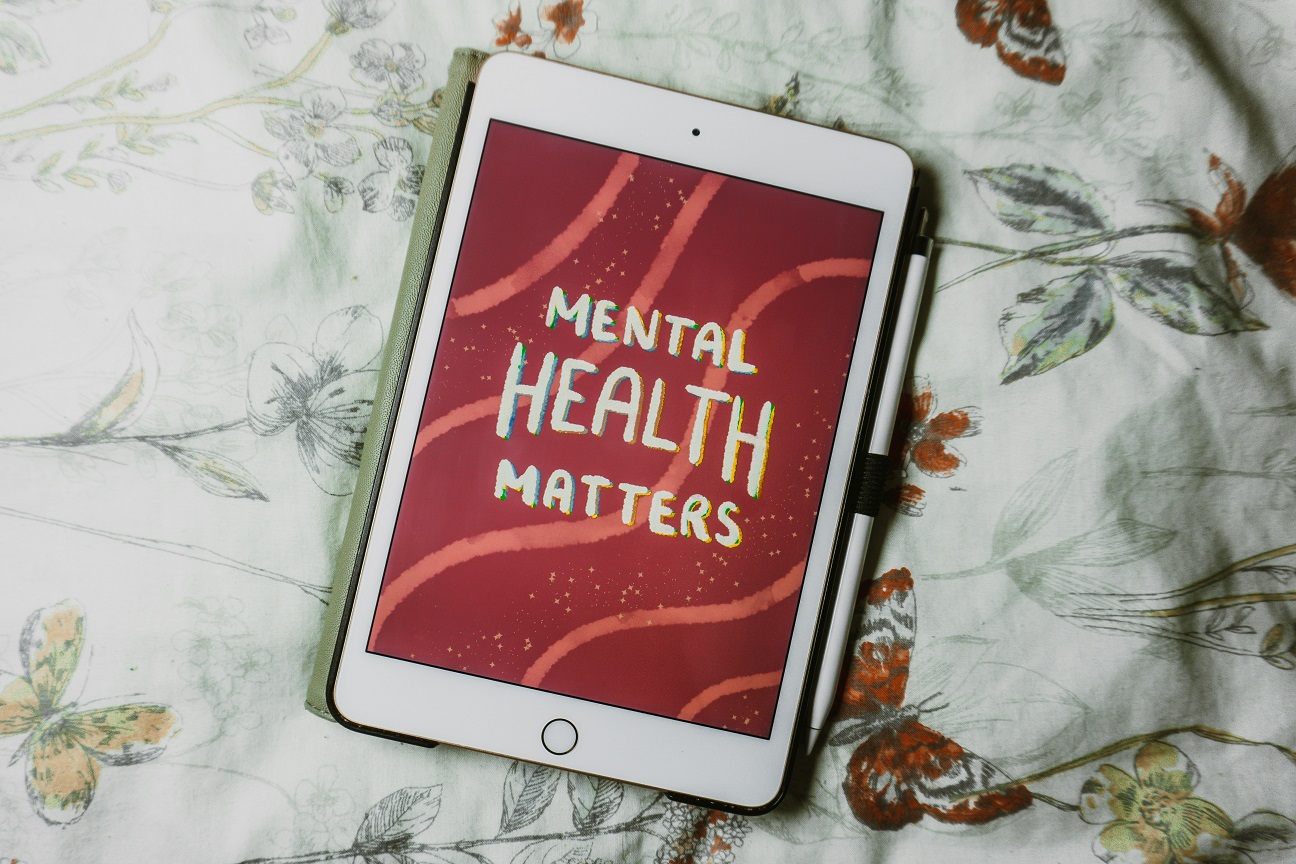
Let’s be honest for a moment. When was the last time you went an entire hour without checking your phone? If you’re like most people, the answer is probably “I can’t remember.” Our devices have become extensions of ourselves—alarm clocks, maps, news feeds, social lifelines, and work tools all rolled into one. The constant pings, scrolls, and notifications have rewired our brains for distraction. We feel scattered, stressed, and sleepless. But here’s the good news: you don’t have to abandon technology altogether to feel better. A digital detox is about reclaiming balance—not missing out.
In this guide, we’ll explore what a digital detox really means, why it matters more than ever in 2026, and—most importantly—how to unplug without the fear of missing out (FOMO) holding you back.
What Is a Digital Detox? (And What It Isn’t)
A digital detox is a deliberate, intentional break from digital devices and online spaces. It’s a set period of time—whether an hour, a day, or a weekend—when you step away from smartphones, computers, tablets, and social media to reconnect with real life.
But here’s what a digital detox is not: It’s not about completely quitting technology or going off-grid forever. You don’t need to delete all your accounts or move to a cabin in the woods. Instead, a digital detox is a deliberate reset of how, when, and why you use technology. It’s about restoring your agency and stepping back long enough to understand which digital tools genuinely support your well-being—and which ones are just draining your energy.
Think of it this way: A digital detox isn’t punishment. It’s self-care.
Why You Need a Digital Detox in 2026
The numbers don’t lie. One in three adults has already tried to cut back on their phone use. And among those who have succeeded in reducing their screen time, 71% noticed an improvement in their mental health. Better sleep (47%), feeling more present (45%), and being calmer (42%) are just some of the benefits people report after putting their phones aside.
Research also shows that digital detox interventions can alleviate depression and problematic internet use, with individuals experiencing higher symptom severity often deriving the greatest benefits. Even a short detox can lower stress by reducing sensory overload and supporting healthy melatonin production.
Signs You Might Need a Break
How do you know if it’s time for a digital detox? Here are some telltale signs:
- 📱 You feel the urge to check your phone constantly
- 😰 You feel anxious when your phone isn’t nearby
- 📰 Reading the news leaves you feeling anxious or sad
- 🛌 Screen time delays your bedtime or disrupts your sleep
- 👥 Your phone bleeds into personal time, making it harder to stay present with people
- 🔄 Your default response to stress is to grab your phone
If any of these sound familiar, it’s time to consider a digital detox.
How to Do a Digital Detox Without Missing Out
The biggest fear people have about unplugging is FOMO—the fear of missing out. What if something important happens? What if someone needs you? What if you miss a great opportunity?
Here’s the truth: you can unplug without missing what truly matters. It’s all about being intentional. Here’s how.
1. Start Small with Micro-Boundaries
You don’t need to go cold turkey. In fact, experts warn that complete abstinence often backfires because it’s unsustainable and creates a sense of deprivation. Instead, start with small, manageable changes.
Try this: No phone for the first 15 minutes after waking up. Leave your phone in another room during meals. Keep it in your bag during conversations. These micro-boundaries are realistic for most people and don’t require a dramatic lifestyle overhaul.
2. Set Tech-Free Zones and Times
Designate specific areas and hours as screen-free. The bedroom is a great place to start—keep screens out of it entirely. Make the dining table a no-phone zone. Set a tech curfew: no screens for at least an hour before bed.
Why it works: These boundaries give your nervous system a chance to reset and reduce overstimulation. They also improve sleep quality and strengthen real-life social connections.
3. Turn Off Non-Essential Notifications
Every ping, buzz, and alert is a tiny interruption that fragments your focus. Take control by turning off notifications for non-essential apps. Use “Do Not Disturb” mode during focused work hours or personal time.
Pro tip: Try grayscale mode on your phone—it makes the interface less visually stimulating and reduces the urge to scroll.
4. Replace, Don’t Just Remove
The biggest mistake people make during a digital detox is simply removing screen time without replacing it with something meaningful. When you unplug, fill that space with activities you actually enjoy.
Ideas to try:
- 📖 Read a physical book
- 🚶 Take a walk outdoors
- 🍳 Cook a meal from scratch
- ✍️ Journal or write by hand
- 🤝 Spend quality time with loved ones—face to face
- 🧘 Practice meditation or mindfulness
When the detox feels rewarding rather than restrictive, you’re much more likely to stick with it.
5. Use Technology to Limit Technology
Yes, you read that right. There are apps and built-in phone settings designed to help you reduce screen time. Set app timers, use focus modes, and leverage screen time reports to understand your habits. You can even move social media icons off your home screen to reduce temptation.
6. Schedule Regular Digital Breaks
Make unplugging a regular habit rather than a one-time event. Commit to a screen-free hour each day, a tech-free morning each week, or a full digital detox weekend once a month. In 2026, technology-free travel and wellness retreats are also trending—these experiences foster mindfulness, creativity, and true relaxation, entirely free from digital distractions.
The Real Benefits of Unplugging
Still wondering if a digital detox is worth it? Here’s what science says you can expect:
Better Sleep – Without blue light suppressing melatonin production, people fall asleep faster and sleep more deeply. One study found that participants slept an average of 20 minutes more per night during a detox.
Reduced Stress and Anxiety – Stepping back from the constant wave of alerts, breaking news, and social comparison lowers stress and helps you feel calmer and more content.
Improved Focus and Productivity – When you’re not losing time to endless checking and multitasking, your concentration improves significantly. Your brain can focus on one thing at a time, boosting clarity and performance.
Stronger Relationships – More time staring at a screen means less time connecting in person. Unplugging frees you up to be fully present with the people who matter most.
Greater Life Satisfaction – Studies have shown that even short-term digital detoxes are linked to improved mood and greater life satisfaction.
Final Thoughts: Reclaim Your Time, Reclaim Your Life
A digital detox isn’t about rejecting technology—it’s about using it on your own terms. In a world where we’re constantly “on,” learning to unplug with intention might just be the smartest and healthiest resolution you can make.
Remember, the goal isn’t perfection. It’s progress. Start small. Be kind to yourself. And most importantly, give yourself permission to be present—offline and online.
You don’t have to miss out to check out. You just have to choose what matters most. 🌿
Frequently Asked Questions
1. How long should a digital detox last?
There’s no one-size-fits-all answer. A digital detox can last anywhere from a few hours to several days or even weeks. The key is to start with what feels manageable—perhaps a tech-free evening or a screen-free Sunday—and gradually build from there. What matters most is consistency, not duration.
2. Will I miss important calls or messages during a digital detox?
Not if you plan ahead. Let friends, family, and colleagues know you’ll be less reachable during your detox. Set up an automated reply for emails or messages if needed. And remember—you can always designate a specific time each day to check for urgent communications. A digital detox is about reducing non-essential screen time, not going completely off-grid.
3. What’s the difference between a digital detox and just reducing screen time?
A digital detox is typically a structured, intentional break from digital devices for a set period. Reducing screen time, on the other hand, is a long-term habit change. Think of a detox as a “reset button” that helps you build healthier screen habits afterward.
4. Can a digital detox really improve my mental health?
Yes—and the research backs this up. Studies have shown that digital detox interventions can reduce depressive symptoms, lower anxiety, improve sleep quality, and boost overall well-being. In one survey, 71% of people who cut down on screen time noticed an improvement in their mental health.
5. What if I need my phone for work?
Many people can’t completely disconnect due to work or other obligations—and that’s okay. A digital detox doesn’t have to mean abandoning work devices. Instead, focus on setting boundaries: designate specific work hours for device use, turn off non-work notifications, and create clear separation between professional and personal screen time.
6. How do I deal with FOMO during a digital detox?
FOMO is one of the biggest barriers to unplugging, but it’s manageable. Start by reminding yourself that you’re not missing out—you’re choosing in. You’re choosing presence over distraction, real connections over digital noise, and your own well-being over endless scrolling. Plan engaging offline activities to fill the void, and consider doing a detox alongside a friend or family member for extra accountability and support.